TUACC / ACCESSORIES DEVELOPMENT
Accessory Sourcing for Retail Buyers
Retail accessory projects need products that fit the assortment and a clear route to receiving them. TUACC coordinates suitable partner factories, samples and agreed production requirements for scarves, hats and gloves. Start with the selling period, sales channels, SKU plan and receiving rules.
Build the assortment as a purchasing plan
List products by style, colour and size, then record the quantity for each line. Separate a coordinated range from a pre-packed set: one may be sold as individual SKUs, while the other requires a defined selling unit and component count.
Distinguish the launch date from the shipping date
Provide the date the goods must be available at your receiving location. Work backwards through transport, customs handling, production and approvals with the responsible parties. A factory completion date alone does not establish a store-ready date.
Include store and e-commerce requirements
Provide your item-number system and instructions for labels, barcode mapping, packaging, carton assortment and delivery locations. Confirm which product information or image assets you require, who supplies them and whether their creation is included.
Use samples to approve the buying decision
Assess the product against the intended customer and retail position. Record measurements, handfeel, colour, finish and packaging decisions. For sets, review the full combination and confirm whether components may be sold separately.
Define what happens after the first order
If replenishment is important, ask how material availability, colour continuity and order quantities will be reviewed. Do not assume that a first order creates a permanent stock programme or an identical future delivery window.
Send a retail-ready brief
Include the product range, quantity by SKU, countries of sale, required arrival window and packaging instructions. Add any supplier-onboarding documents or buyer-specific checklists. TUACC can then review product fit and the coordination scope before confirming a proposal.
Buying questions
Can we mix colours or styles to reach a minimum?
The answer depends on material purchasing, construction, decoration and packing. Ask for the minimum by style, colour and size, and identify which variations share the same inputs.
Can accessories be supplied as a gift set?
Set development can be reviewed. Define the component count, colour and size combinations, individual versus set labels, pack format and selling-unit barcode.
Can you promise replenishment from stock?
No standing stock or replenishment commitment should be assumed. Confirm available materials, future minimums and production timing for the specific programme.
Who provides retail barcode information?
The buyer or another authorised source should provide the codes and SKU mapping. Pack-out checks should use the approved data.
Relevant product families
Browse the collection. Images are styling references; product details are confirmed by sample.
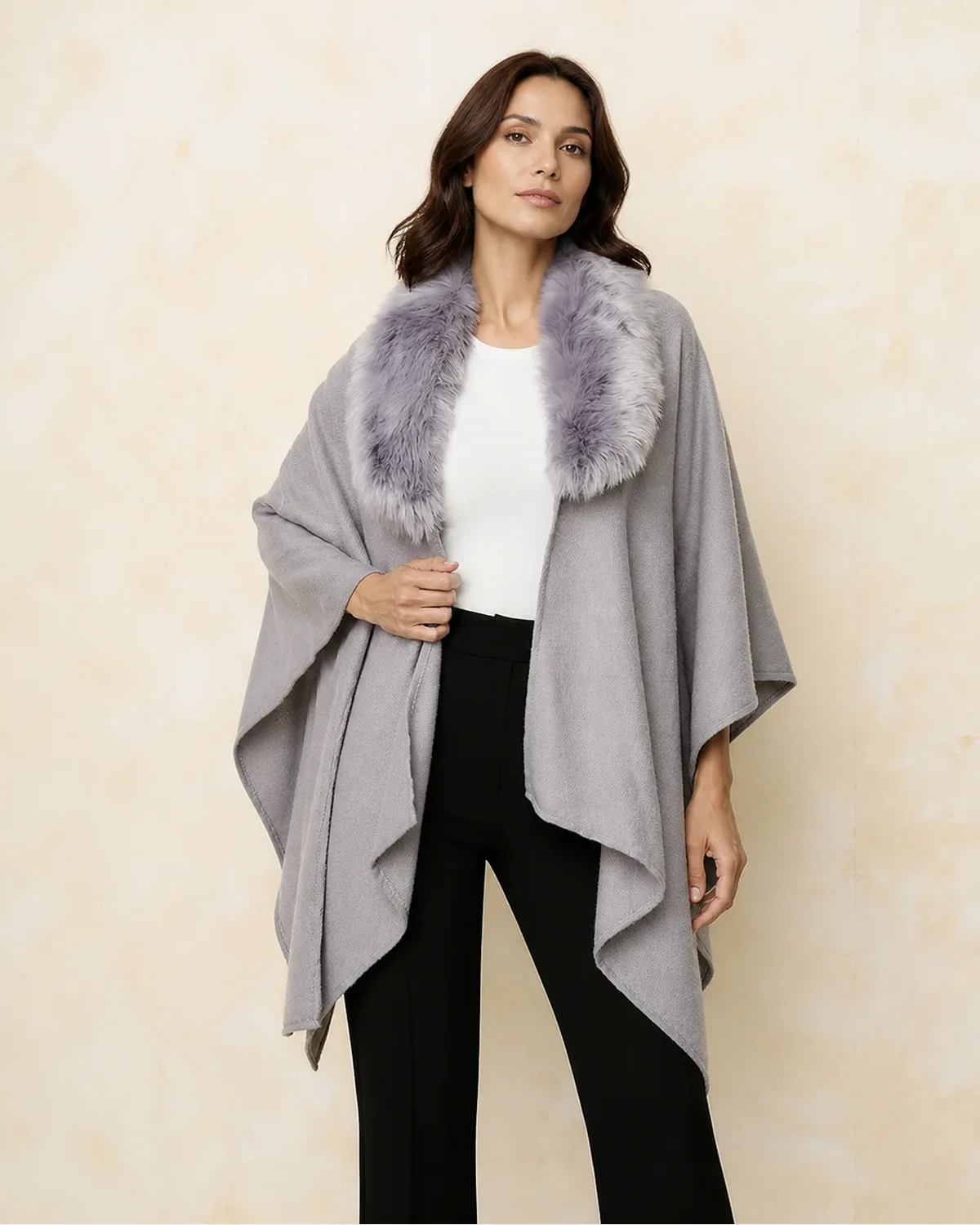 Scarves & ShawlsExplore product family →
 Hats & HeadwearExplore product family →
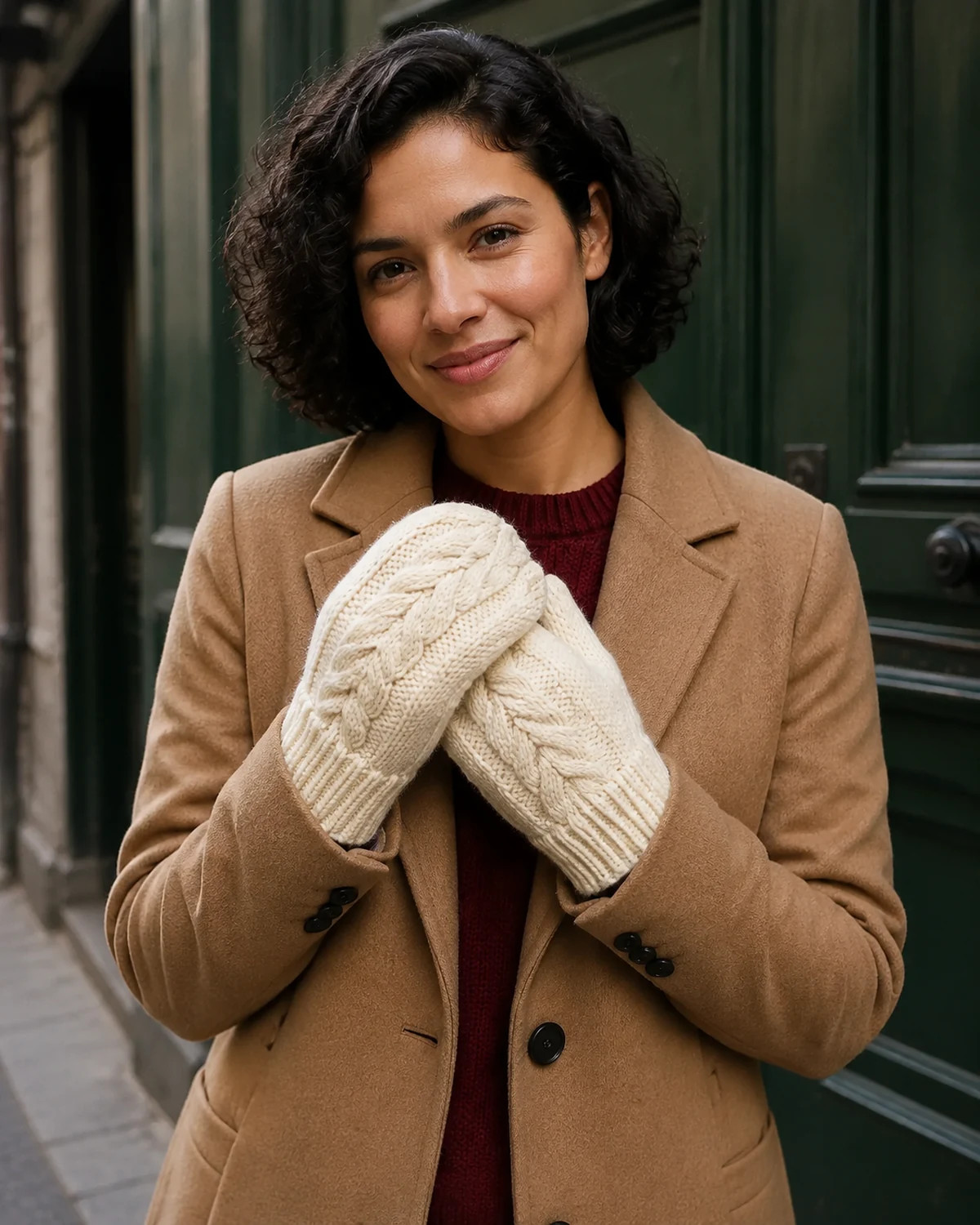 GlovesExplore product family →
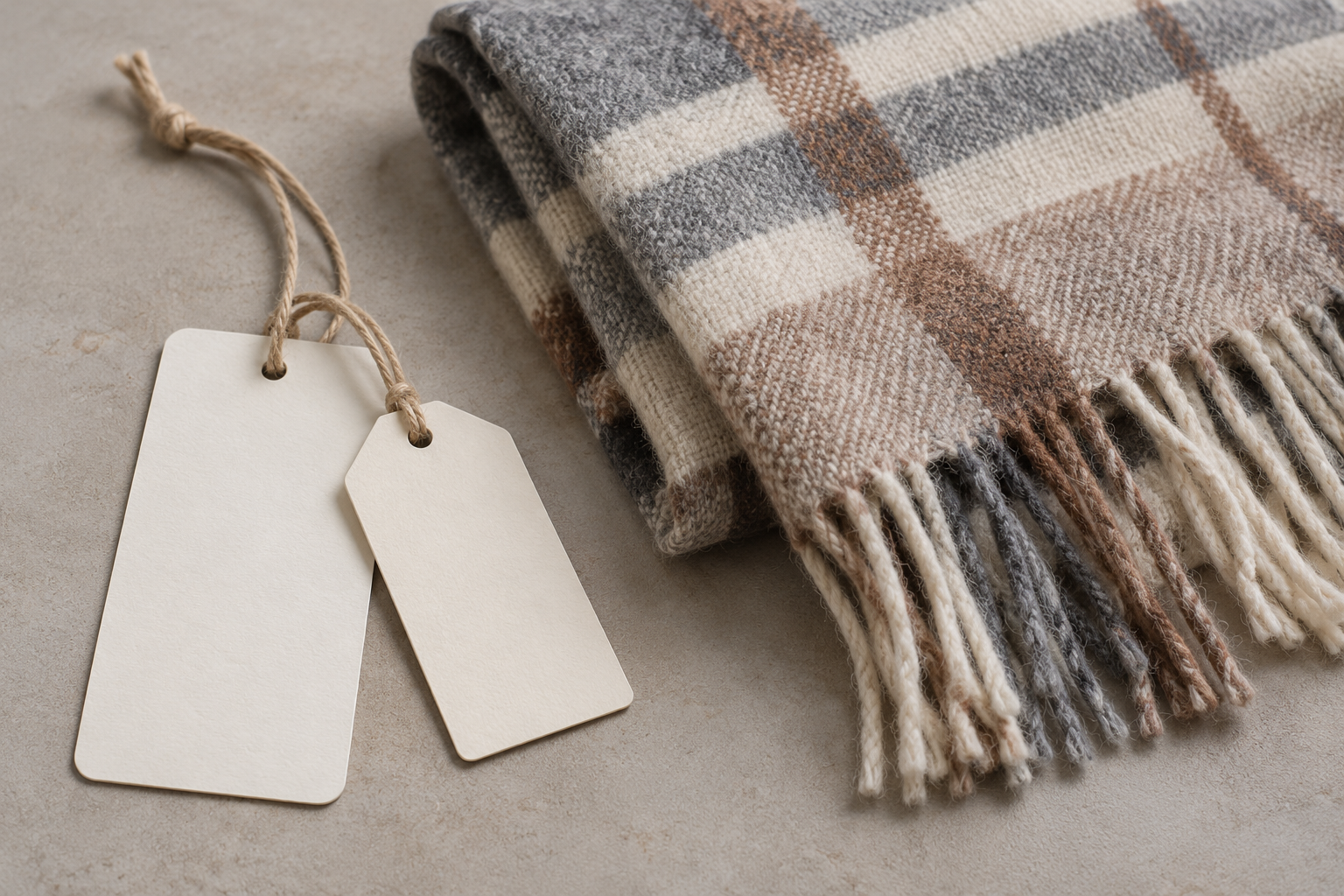 Plan Labels and Packaging for Private Label Accessories