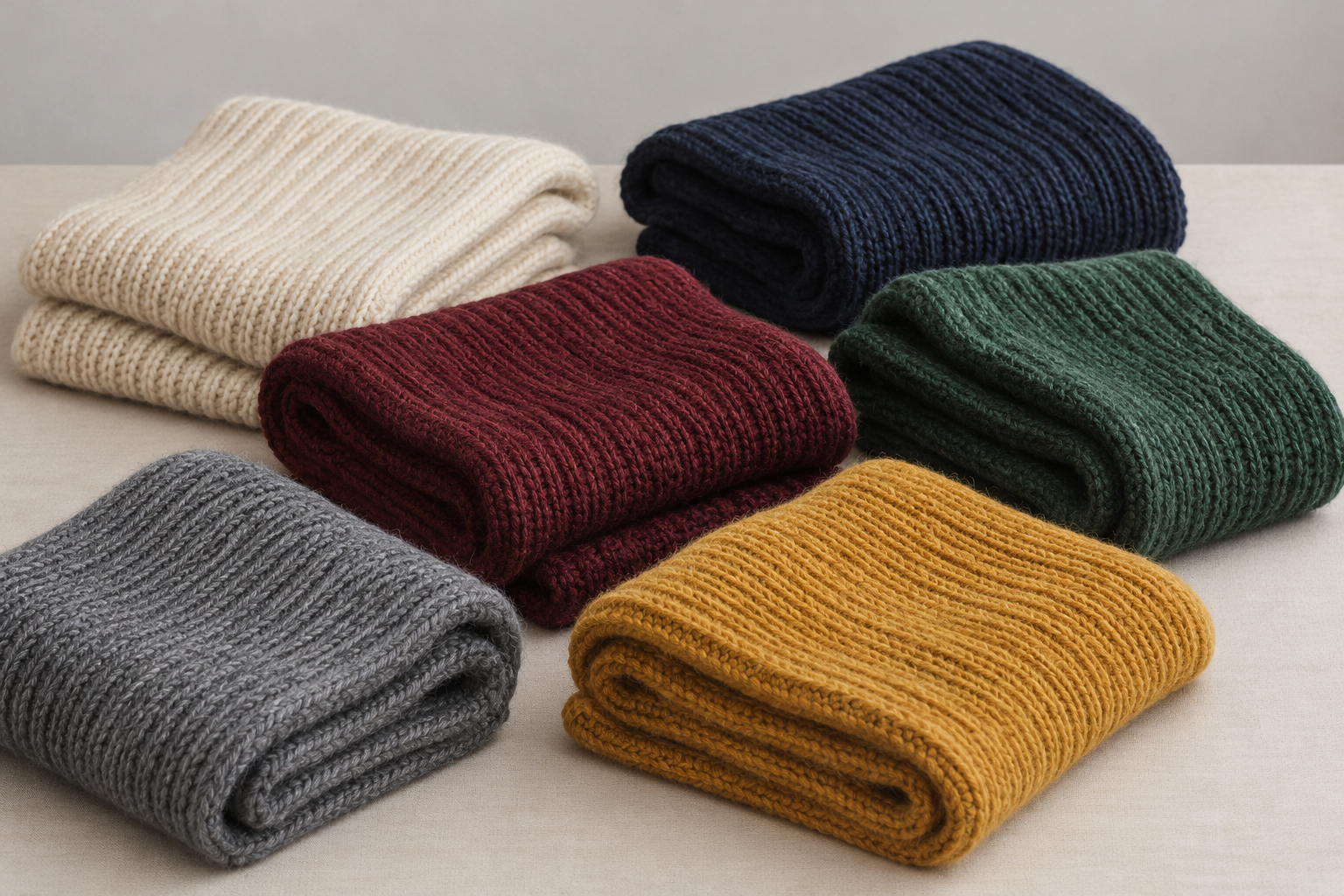
There is no single minimum order quantity for every custom accessory. Ask whether the minimum applies to a style, colour, size, material lot or total order. The useful next step is to identify the input creating the minimum and compare practical alternatives against the same product brief.
Read article →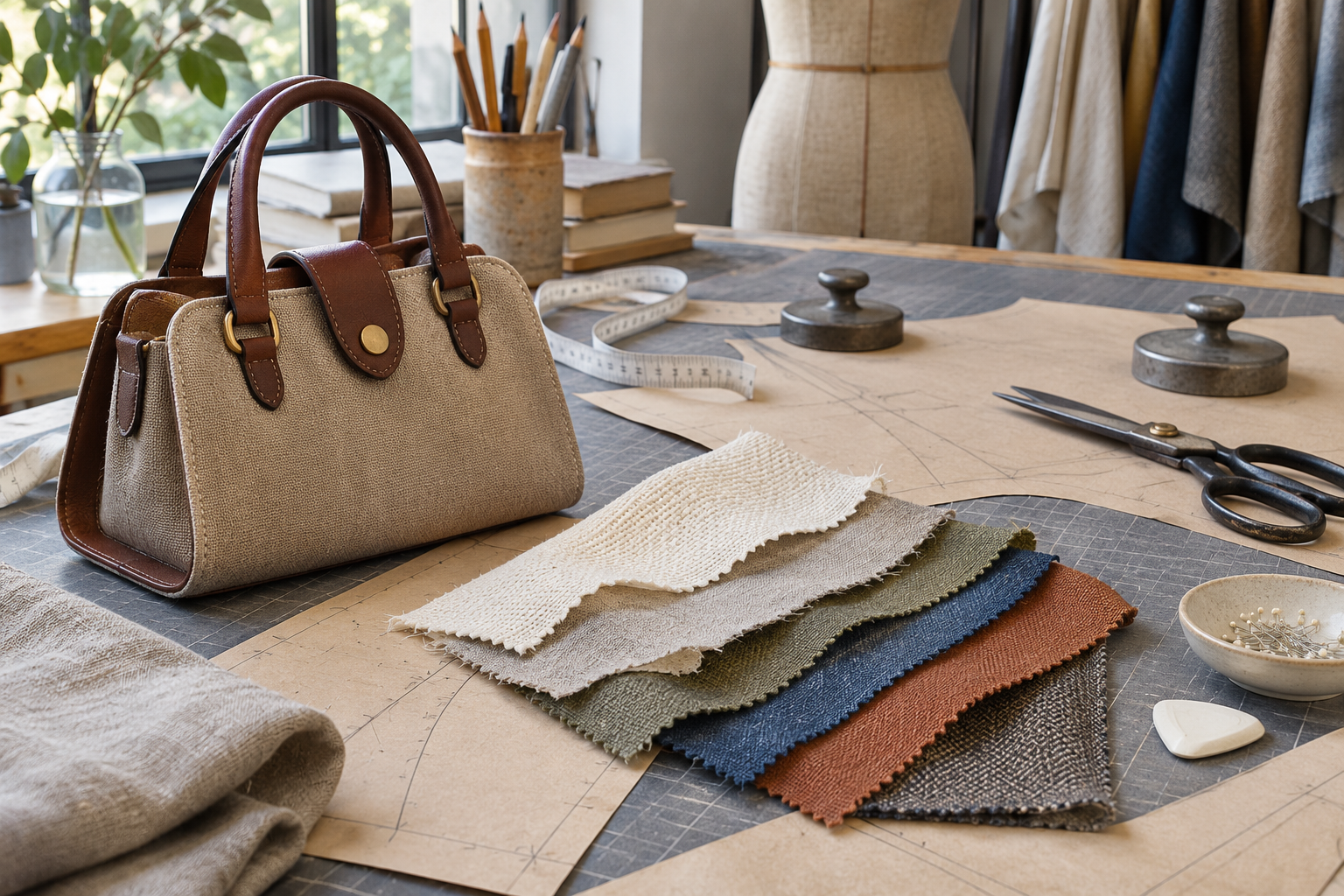
Sampling and production timing depends on the product, material availability, revision rounds, approvals and production schedule. Build a plan around decision points and required evidence. Separate sample completion, production completion, shipment handover and arrival at the buyer’s receiving location.
Read article →
A useful quotation comparison shows whether suppliers priced the same product and accepted the same responsibilities. Start with a fixed specification, then compare inclusions, quantities, approval assumptions and handover terms. Keep proposed alternatives separate so a change in product is visible alongside a change in price.
Read article →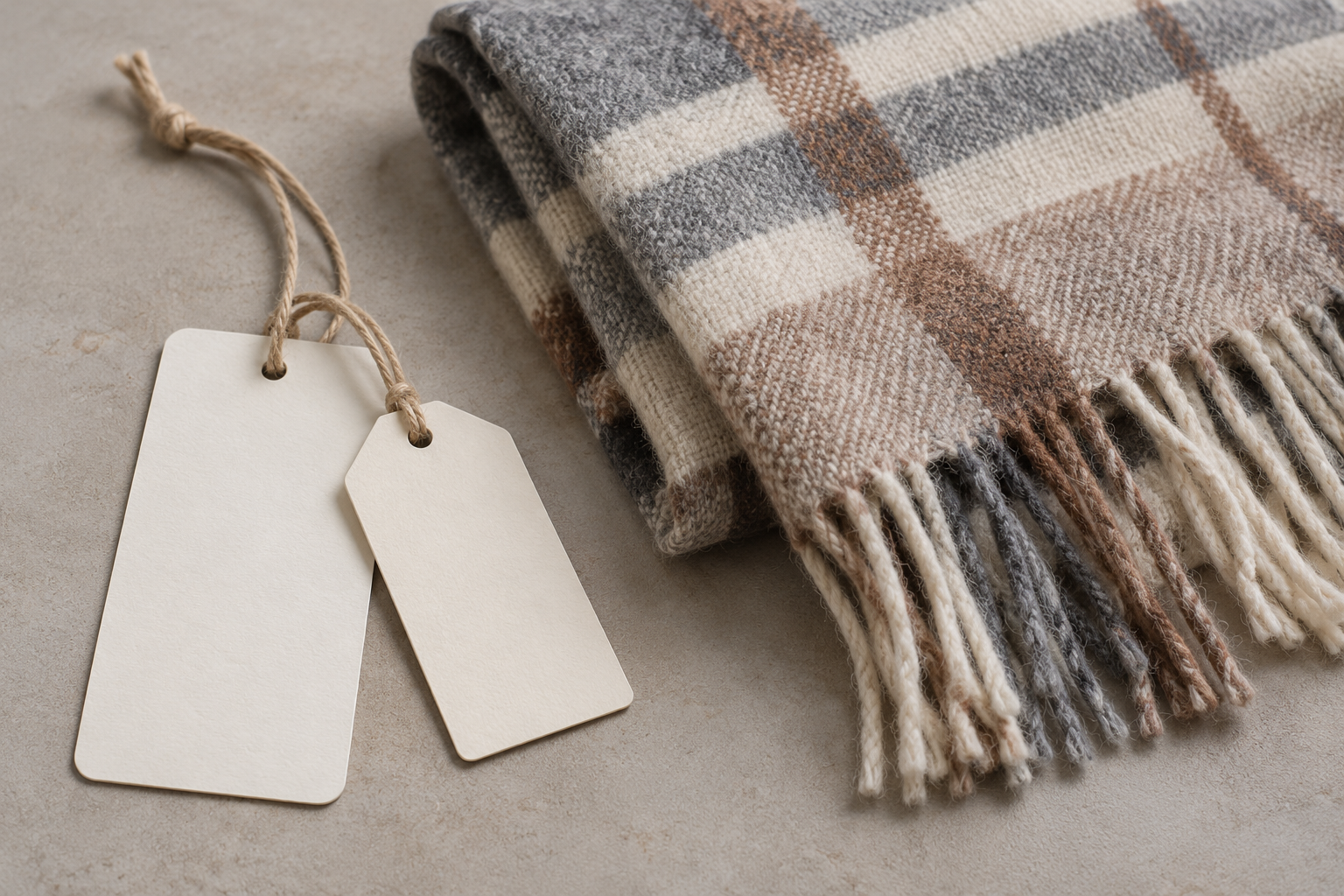
A packaging brief should connect each product and selling unit to approved artwork, label content, barcode data and pack-out instructions. For scarves, hats and gloves, decide whether items are sold individually or as a set. Confirm destination requirements for the actual product before approving production files.
Read article →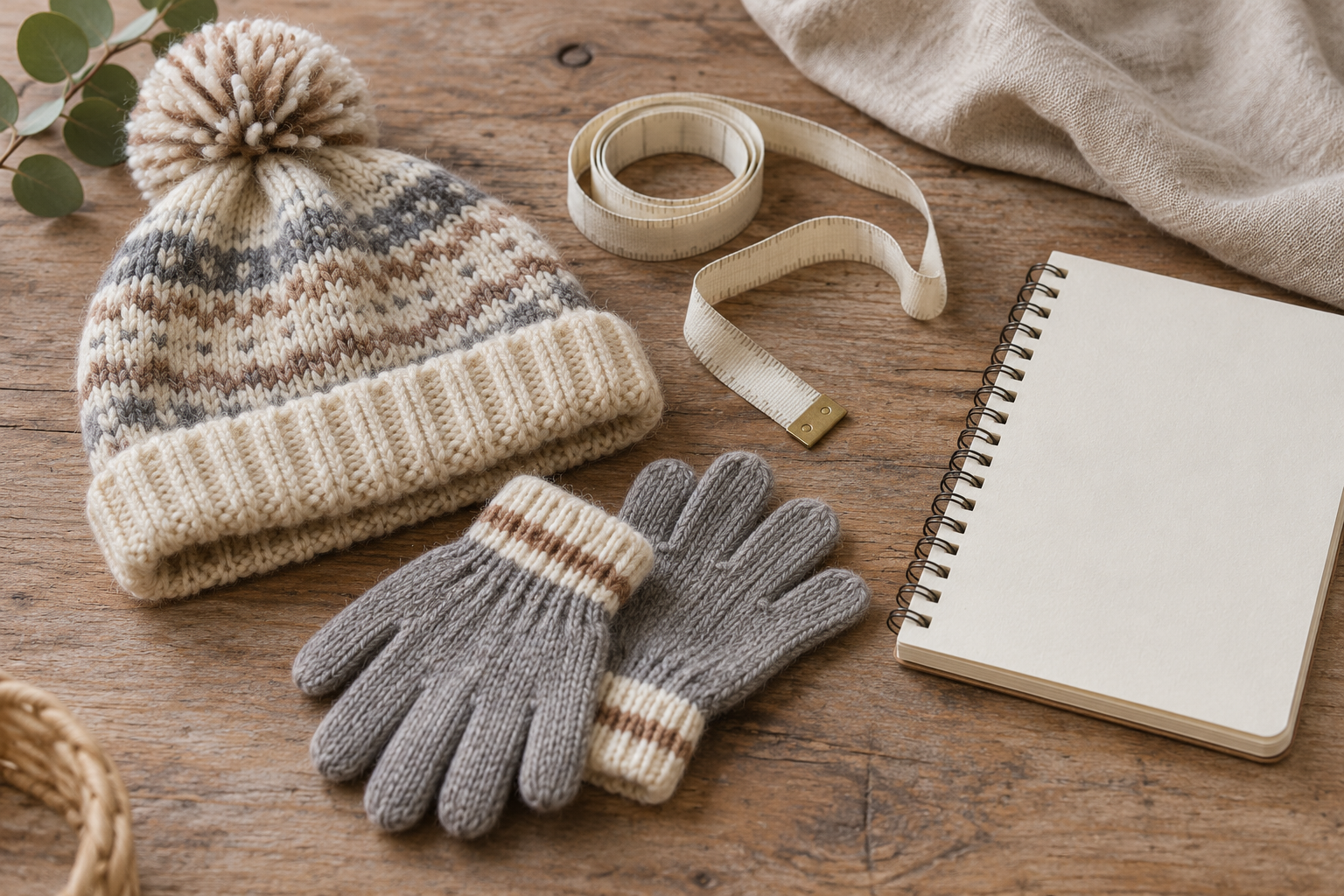
Start with the wearer’s measurements, then agree finished dimensions, measurement methods and fit checks for each style.
Read article →
A focused product brief and consistent questions help buyers compare exhibitors and decide which samples merit follow-up.
Read article →
Plan a focused accessory range around your store type, existing merchandise and display needs.
Read article →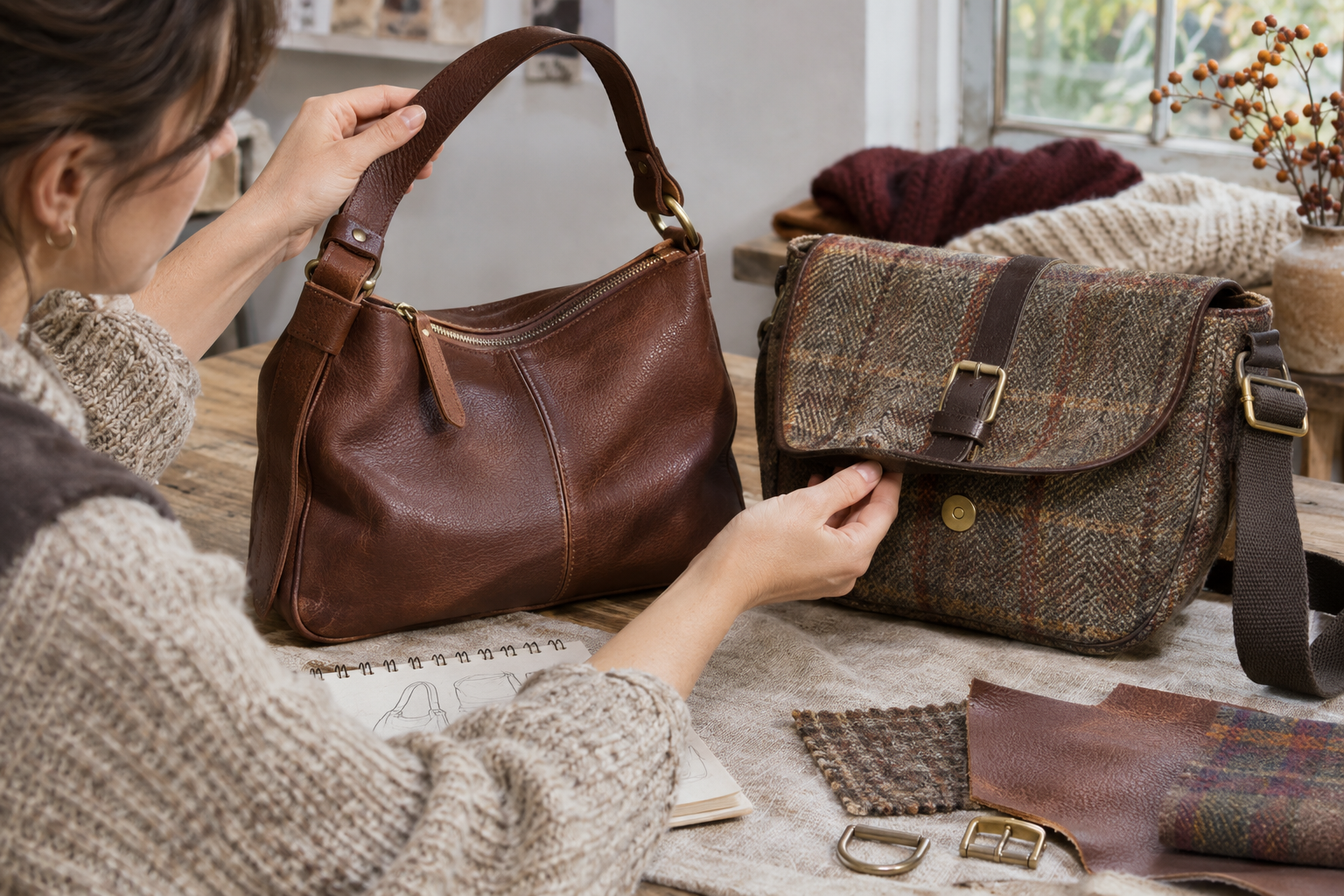
Compare bag samples, construction and supplier quotations for an autumn-winter range.
Read article →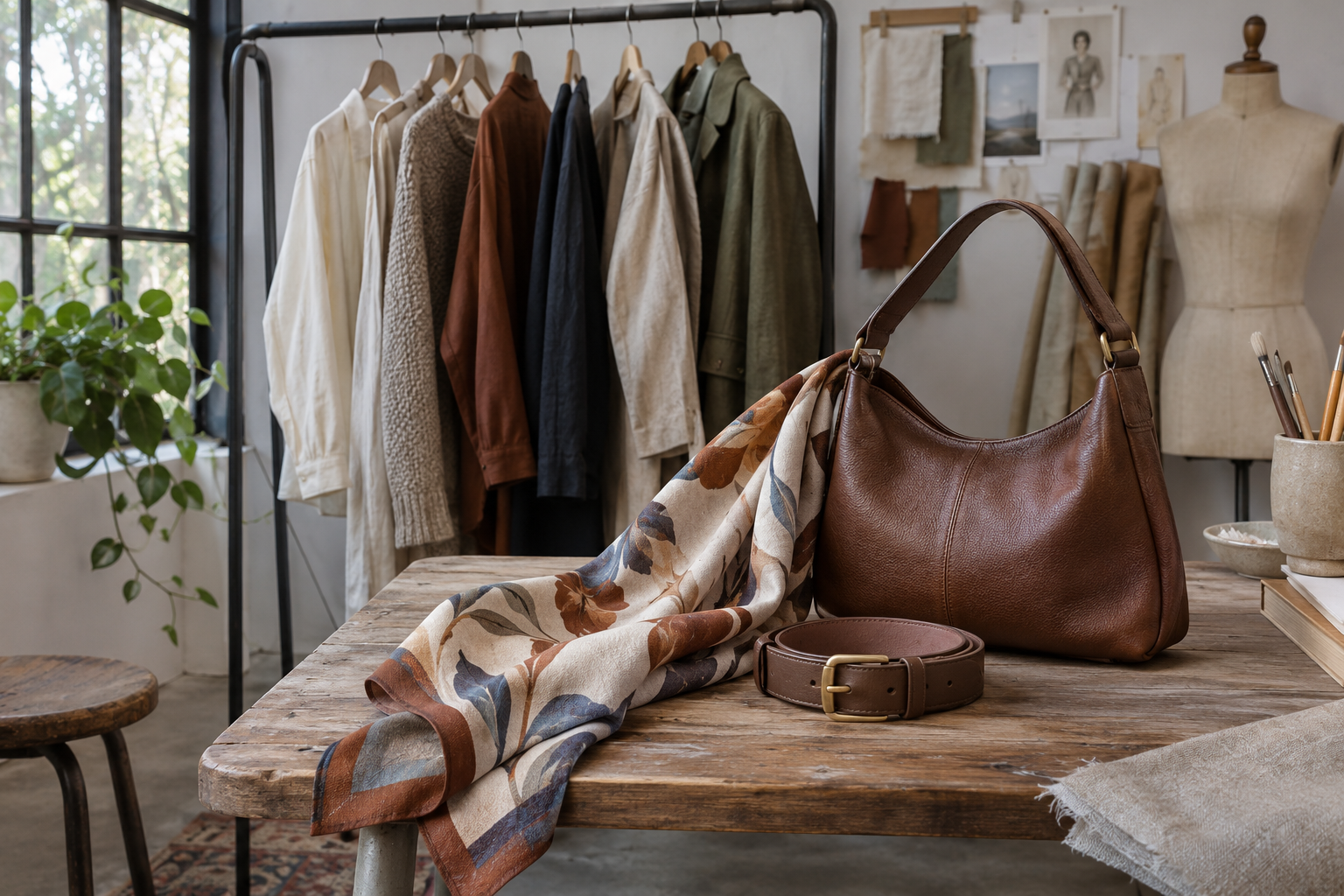
Build a coordinated accessory brief from apparel looks and compare supplier development options.
Read article →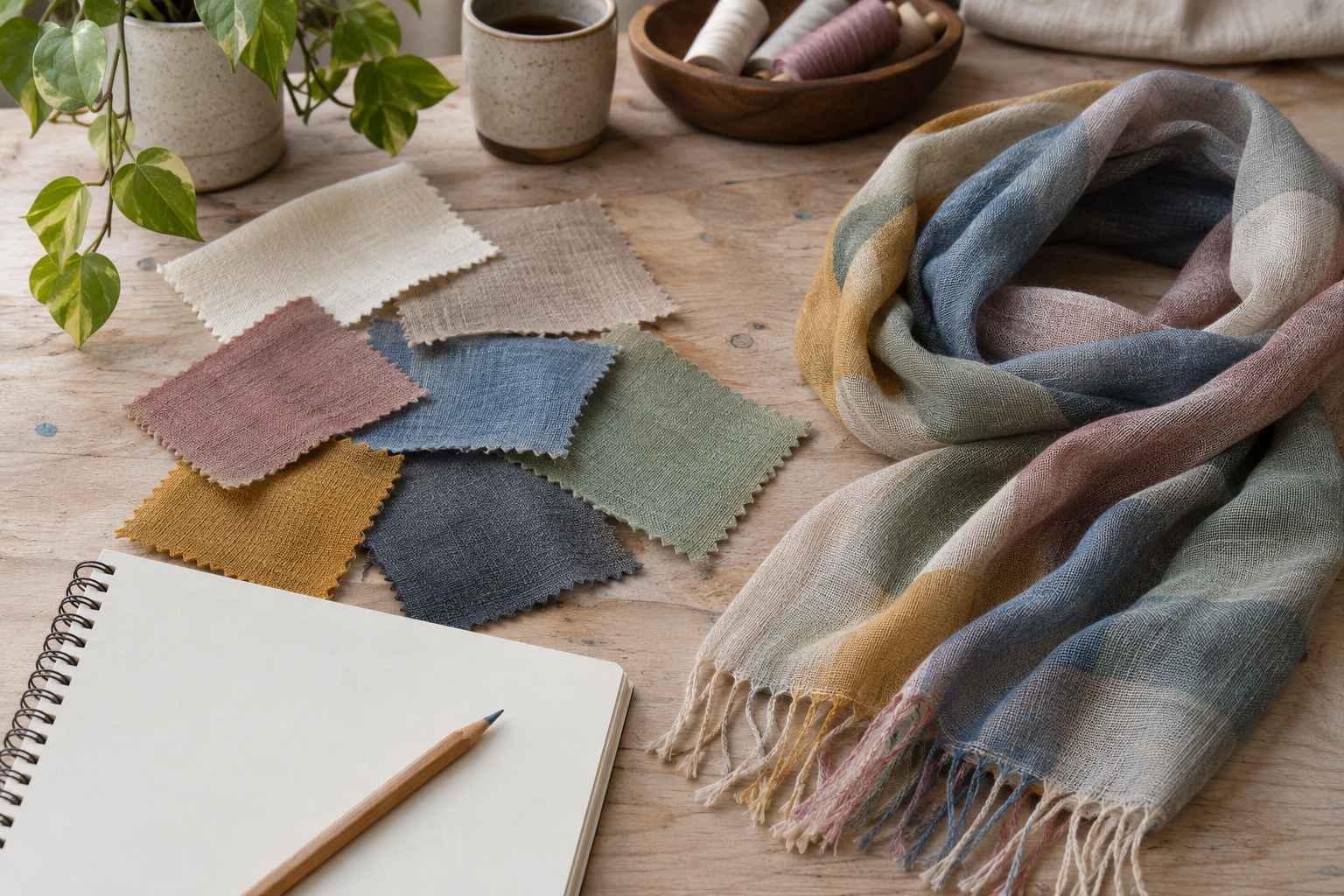
Turn a material discovery into a clear brief for scarf, hat or bag development.
Read article →
Assess cushion texture, removable cover construction and sample information before approval.
Read article →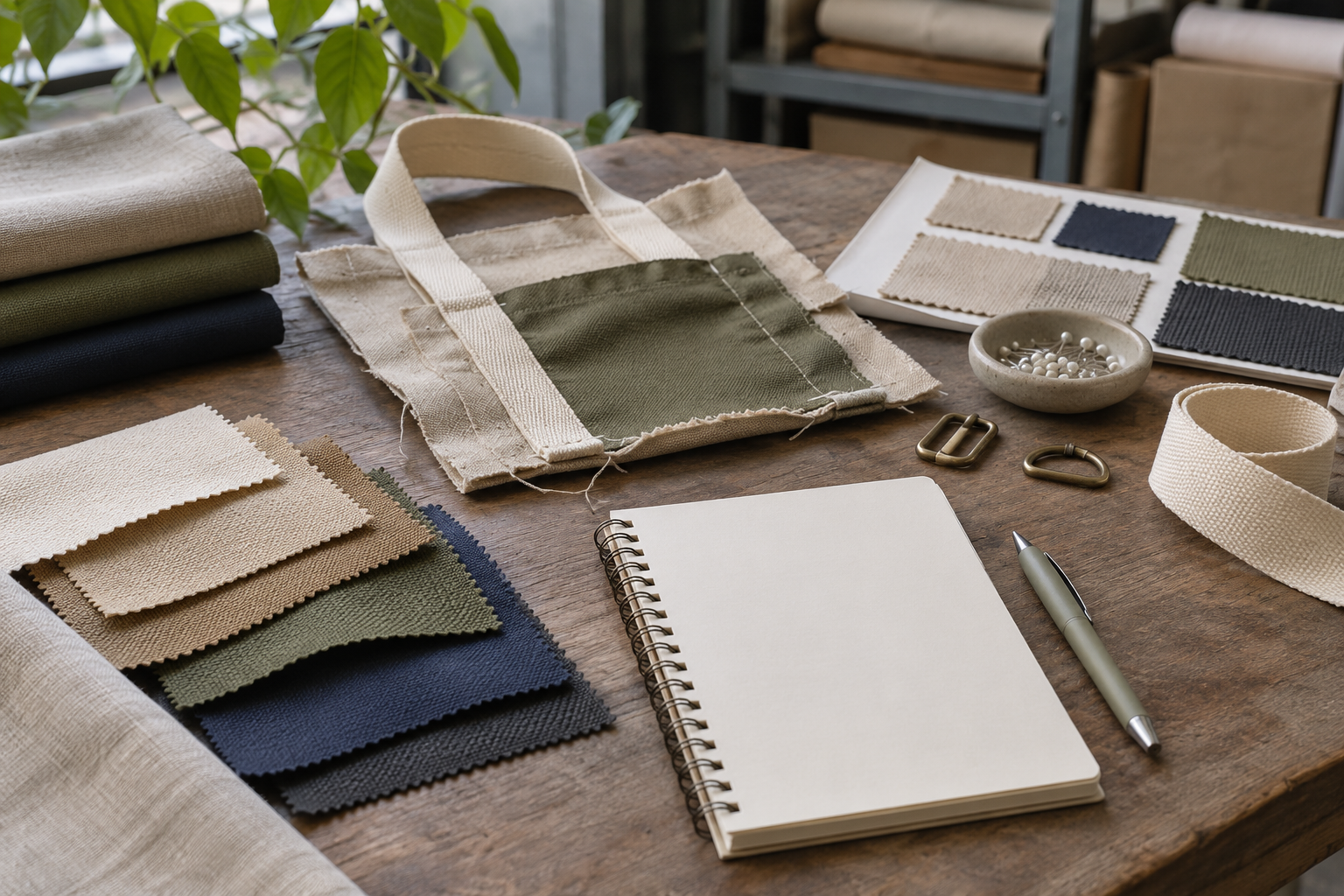
Clarify supplier roles, material approvals and changes during accessory development.
Read article →
Sampling and production timing depends on the product, material availability, revision rounds, approvals and production schedule. Build a plan around decision points and required evidence. Separate sample completion, production completion, shipment handover and arrival at the buyer’s receiving location.
Read article →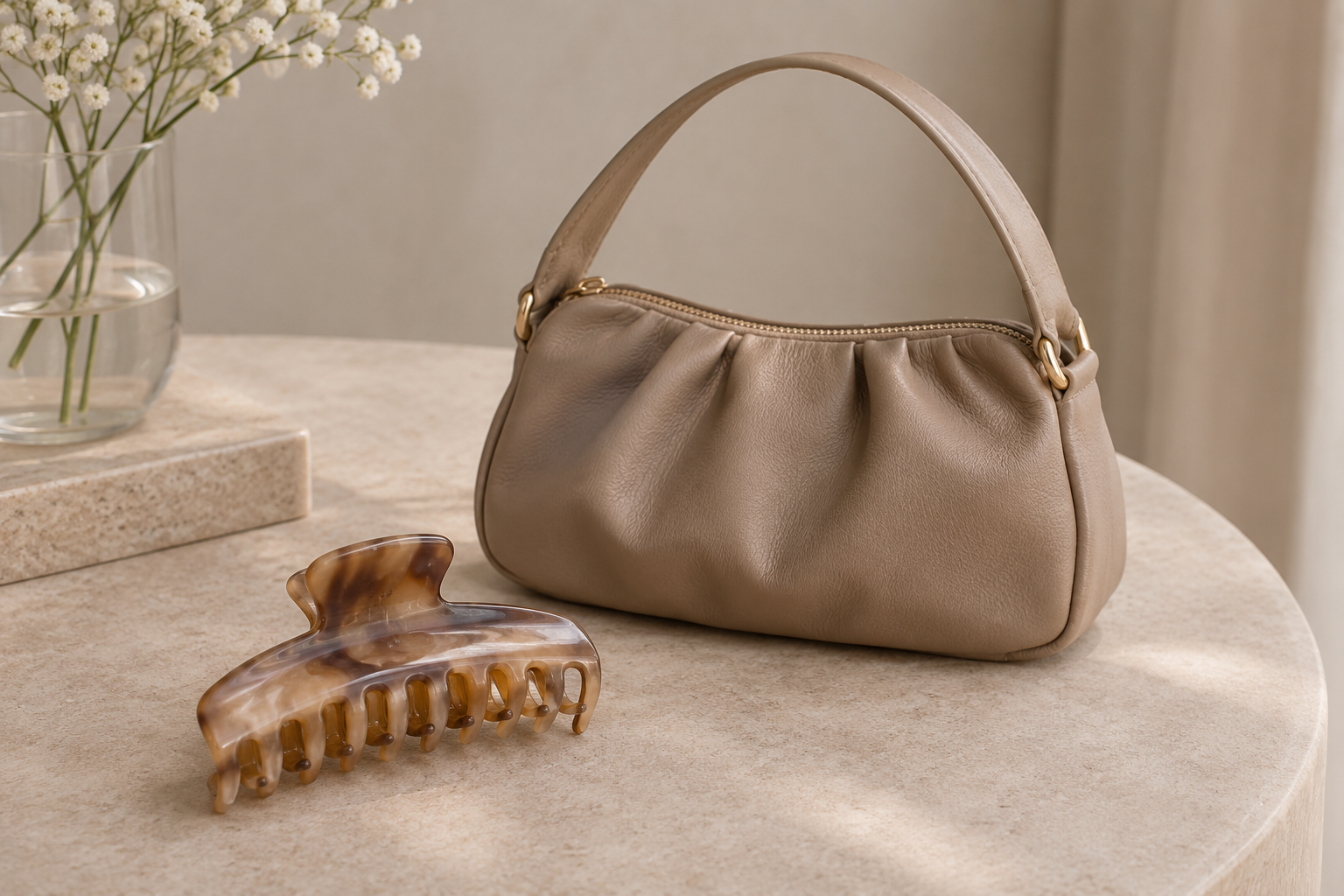
Assess hair accessories and bags by customer, material and display role before developing a focused retail selection.
Read article →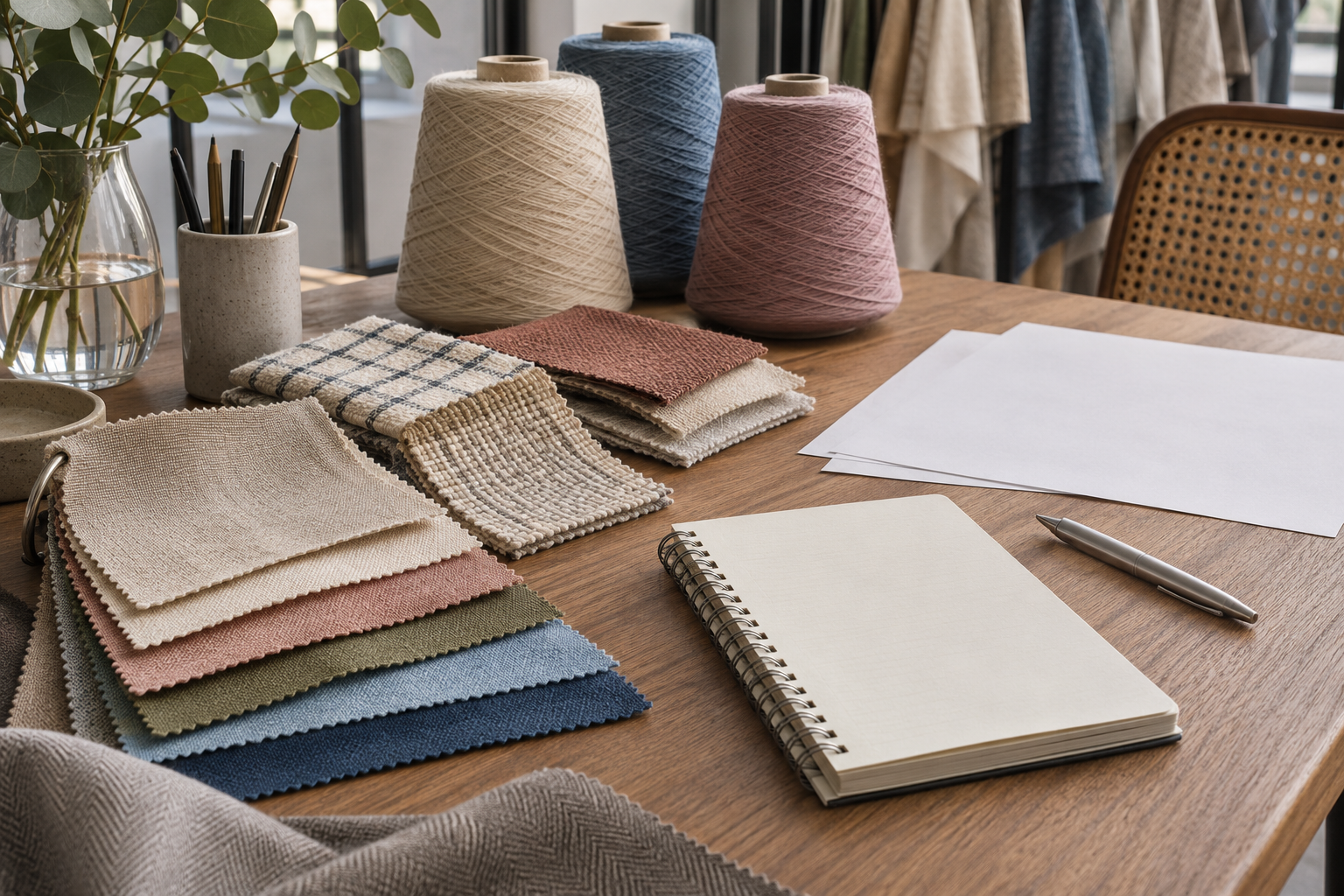
Connect material references, supplier information and sample versions before assessing textile accessory requirements.
Read article →
Assess dog raincoat measurements, fit and care information for a specific sample.
Read article →
Plan the product information buyers need when presenting an accessory collection online.
Read article →