
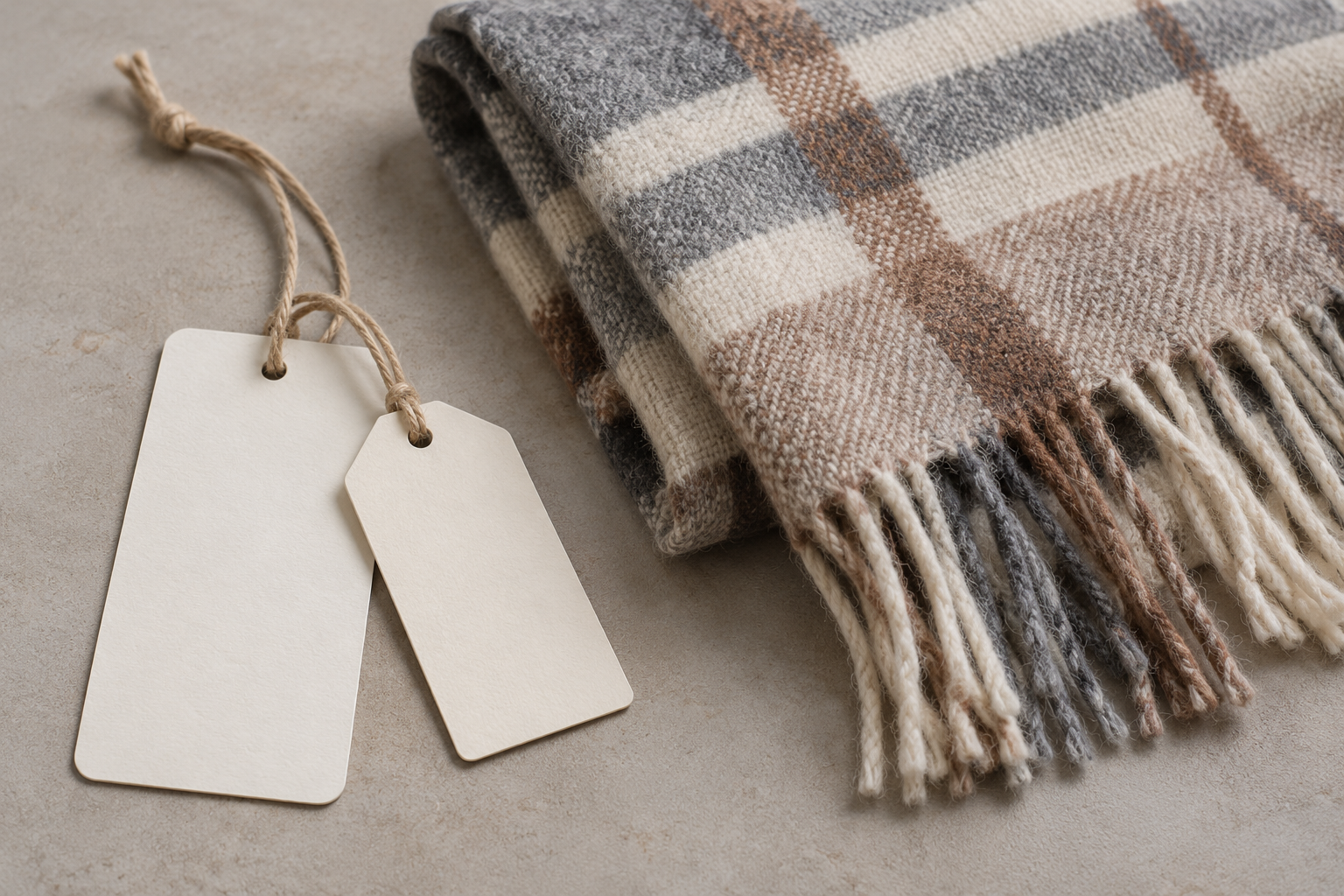
A packaging brief should connect each product and selling unit to approved artwork, label content, barcode data and pack-out instructions. For scarves, hats and gloves, decide whether items are sold individually or as a set. Confirm destination requirements for the actual product before approving production files.
Define the selling unit and pack structure
List the product or set, component count, colour and size combination, retail pack and outer carton arrangement. Clarify whether every component needs its own identity or whether the complete set is the only selling unit.
Create one component list
Record the brand label, care or composition label, hangtag, barcode label, size marker and any bag, tissue, sleeve or box. For each, specify the material, dimensions, placement, attachment and approved file version. Remove components that do not apply.
Control artwork and code data
Use authorised brand assets and a buyer-approved mapping between codes and SKUs. Do not generate retail identifiers from a guess. Confirm the text and layout at actual size, including small type, scan areas and attachment positions.
Review the product and destination together
Composition, use, intended wearer and sales destination determine which requirements need checking. Identify who verifies the wording and who approves it. A label used for another market or previous item is a reference to review, not automatic approval for the new order.
Approve a pack-out reference
Review an actual packaging sample or an agreed documented reference before bulk packing. Record which product, artwork version and assortment it covers. When the pack changes, update both the quotation and the packing instruction where relevant.
Include receiving checks
Ask the receiving team what carton marks, assortment, pack counts and document references they need. Agree barcode-readability checks when applicable and confirm that the physical goods, labels and packing list use the same SKU mapping.
Buying questions
Can one barcode be used for a matching accessory set?
The buyer should establish the selling-unit identity and authorised code allocation. The packing instruction must consistently identify the set and its component arrangement.
Can a previous care label be reused?
Only after confirming that its composition, instructions, wording and destination requirements apply to the new product. Review the current specification and approval record.
Are packaging design and printing included?
Confirm this in the quotation. Artwork preparation, physical components, setup and packing labour may have separate scope and charges.
Are all polybag warnings the same?
No universal wording is specified here. The responsible parties should verify the requirements applicable to the bag, product, sales channel and destination.

Related products
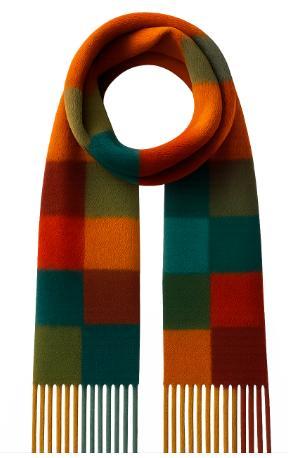 TU-SFWS-AW270715 · Checked scarf conceptCatalogue development proposal for a checked scarf. Not confirmed stock or an approved production specification. Referenced in the TUACC knowledge base; catalogue version and any associated images require confirmation.
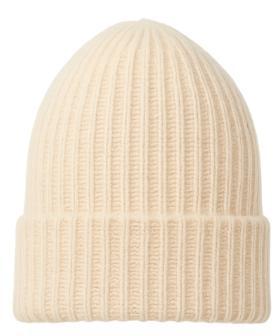 TU-HTWS-AW270702 · Rib-knit beanie conceptClassic adult rib-knit beanie development reference with a proposed 6 cm cuff and woven label. Yarn, dimensions and stretch are to be confirmed on the sample.
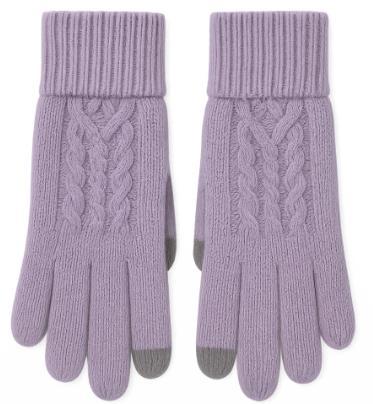 TU-GLWS-AW270709 · Cable-knit glove conceptCatalogue development proposal for an adult cable-knit glove. Not confirmed stock or an approved production specification. Referenced in the TUACC knowledge base; catalogue version and any associated images require confirmation.
Related buyer solutions and topics
Accessory Sourcing for Retail BuyersRelated product categories
Hats and headwearGlovesReview your project
Share your product, market and requirements to discuss the next step.
Discuss your project →