Start by identifying which outfits an accessory should support, then confirm the item’s own use, construction and sample requirements. Review accessories with the clothing collection, but evaluate the product on its own merits as well. A brand’s results can provide context; they cannot predict another retailer’s sales.
Assign a role before choosing a style
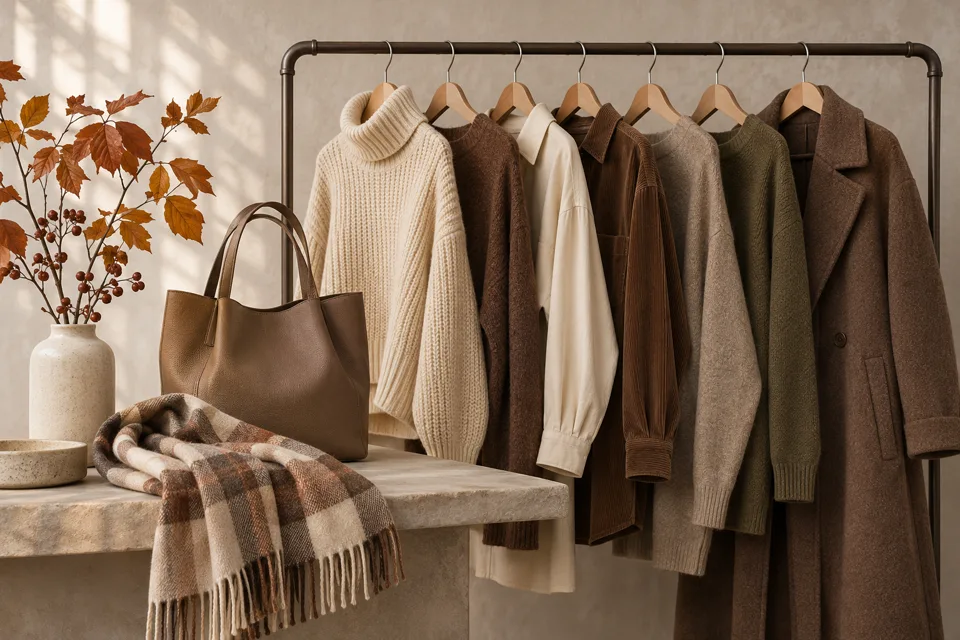
Choose representative clothing looks and state what each accessory should add: a colour connection, a practical carrying option or a styling accent. A scarf may work across several looks; a bag needs to suit its intended use as well as the outfit. Document the buyer’s actual customer and intended season instead of assuming every category has the same role.
Connect development decisions across teams
Share the relevant garment colours, styling references and dates with the accessory developer. For each product agree dimensions, materials, packaging and sample questions separately. If an apparel reference changes, review the connected accessory before approving it; a change to one item does not automatically update another.
Read brand results within their scope
Burberry’s interim announcement for the 26 weeks ended 26 September 2026 says the company delivered growth in womenswear, menswear, childrenswear and accessories. This describes one company’s reported performance, not the wider market, an identified product’s sales or demand for TU. Use it as a prompt to examine your own range, not as a forecast.
Buying questions
Does category growth prove that a specific accessory sold well?
No. The reported category statement does not establish an individual product result.
Should every garment have a matching accessory?
No. Select items with a clear role and evaluate the samples together.
Sources
Related product categories
Scarves and shawlsHats and headwearReview your project
Share your product, market and requirements to discuss the next step.
Discuss your project →