There is no single minimum order quantity for every custom accessory. Ask whether the minimum applies to a style, colour, size, material lot or total order. The useful next step is to identify the input creating the minimum and compare practical alternatives against the same product brief.
Start with the selling unit
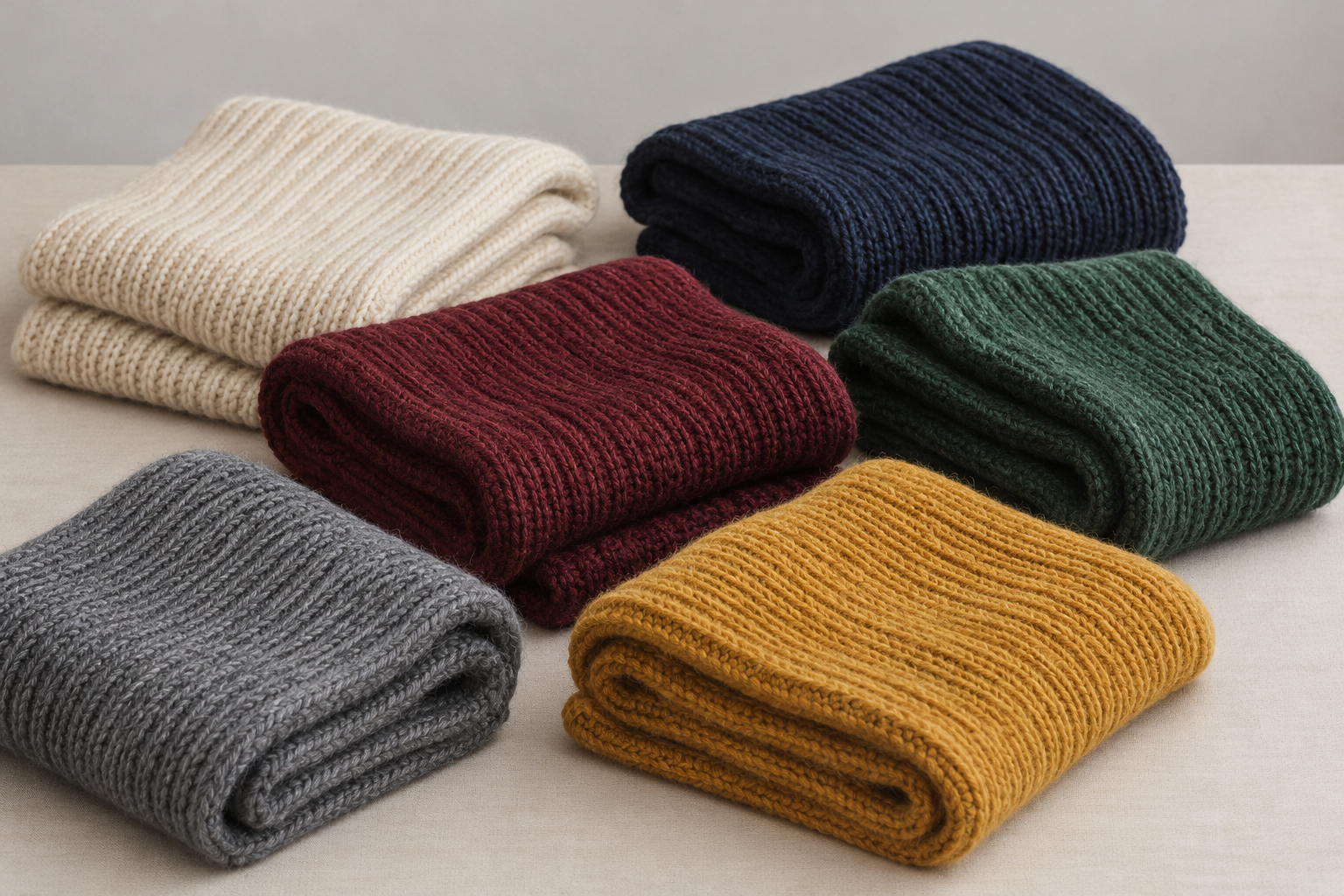
A scarf may be quoted per piece, gloves per pair and a coordinated collection per individual product or complete set. Specify the unit before comparing quantities. A total of several products does not automatically satisfy each product’s manufacturing minimum.
Separate the sources of minimums
Material purchasing, dyeing, print or embroidery setup, construction changes and custom packaging can create separate thresholds. Ask which requirement belongs to the proposed design and which belongs to a shared input across the collection.
Show the quantity breakdown
Send a table with style, colour, size and requested quantity. For a set, add the component count and pairing rules. Mark whether the quantities are a firm purchasing plan, a scenario for quotation or an estimate that still needs buyer approval.
Compare alternatives without losing the product brief
Possible discussions include an approved available material, fewer colours, shared label components or a simpler pack. Request the effect on appearance, composition, product performance and future replenishment. Review each alternative as a separately identified option.
Read cost and MOQ together
A lower minimum can still have a higher unit cost or additional development charges. Ask whether setup is charged once or spread across units, which costs repeat on reorder and what changes if material or artwork is revised.
Use these questions in your RFQ
Ask: What is the minimum by style, colour and size? Which input creates it? Can an approved alternative change it? Does the price use the exact requested quantity? What is included? How long is this offer valid? TUACC confirms workable quantities after reviewing the specification and selected production route.
Buying questions
What is the MOQ for custom scarves per colour?
It depends on the specified material, colour process, construction, decoration and packaging. Provide those details and the quantity per colour so the relevant production and material minimums can be checked.
Can a total order be split across many designs?
Possibly, but the total alone does not answer the question. Each design may introduce a separate material, setup or packaging requirement.
Does using a stock material guarantee a small minimum?
No. It may change material availability or purchasing requirements, but construction, decoration, packaging and production scheduling still need review.
Can I use one quoted MOQ for every product or reorder?
Do not assume that it applies. Check the product, material, colour, size, customization and validity covered by the quotation. Confirm the quantity basis again if the specification or order conditions change.
Related products
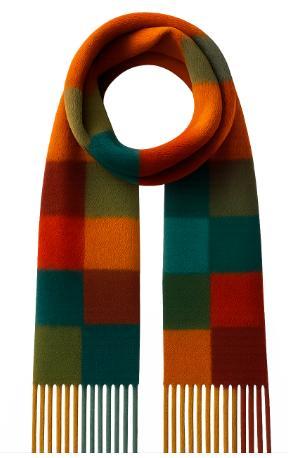 TU-SFWS-AW270715 · Checked scarf conceptCatalogue development proposal for a checked scarf. Not confirmed stock or an approved production specification. Referenced in the TUACC knowledge base; catalogue version and any associated images require confirmation.
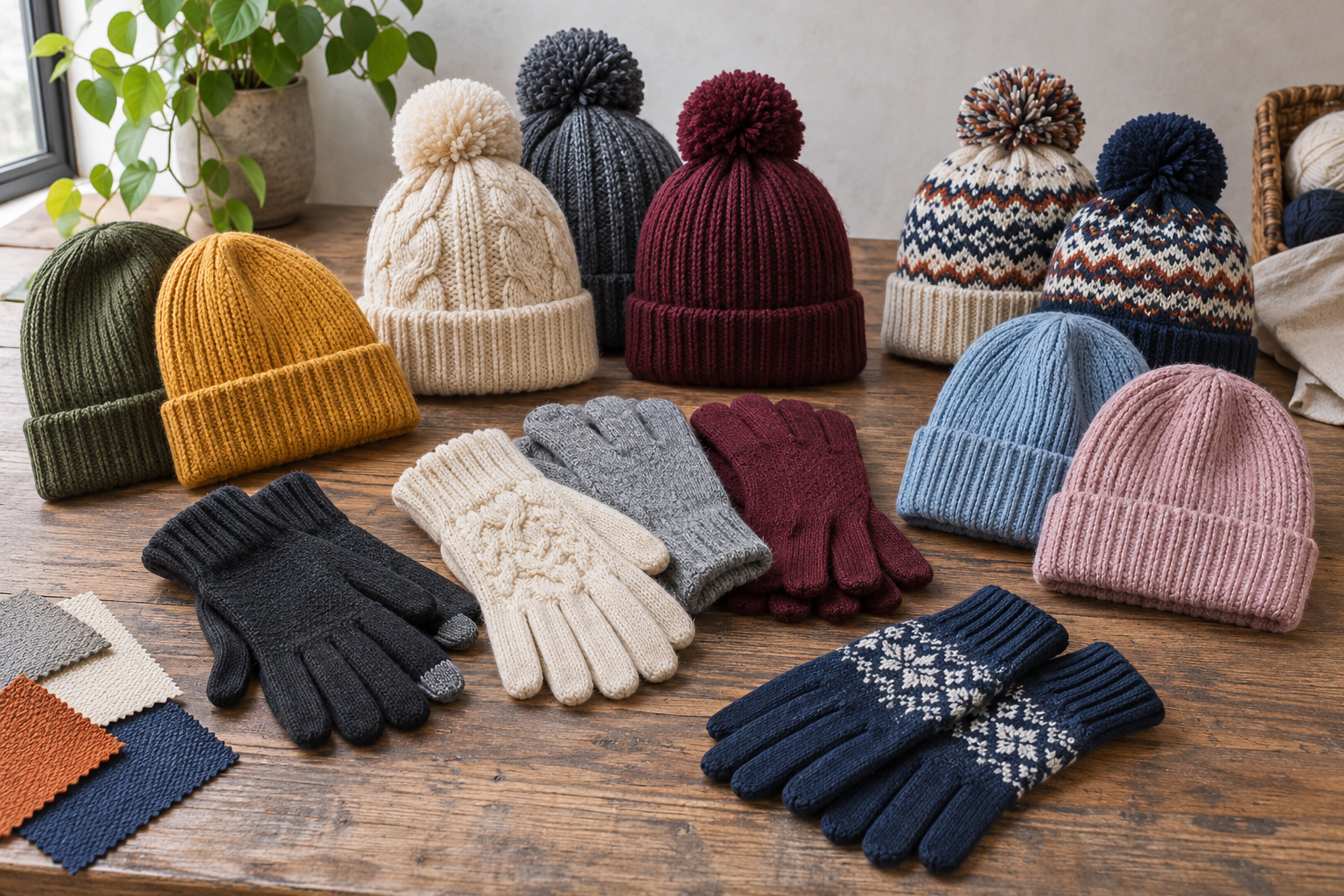
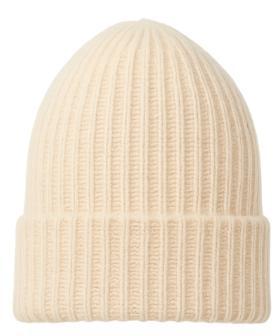 TU-HTWS-AW270702 · Rib-knit beanie conceptClassic adult rib-knit beanie development reference with a proposed 6 cm cuff and woven label. Yarn, dimensions and stretch are to be confirmed on the sample.
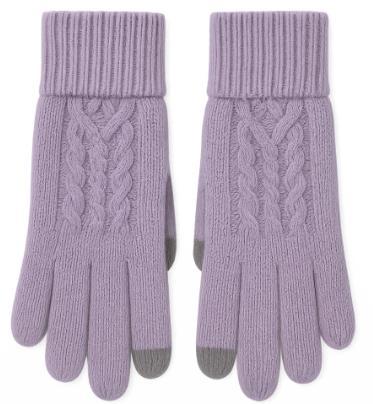 TU-GLWS-AW270709 · Cable-knit glove conceptCatalogue development proposal for an adult cable-knit glove. Not confirmed stock or an approved production specification. Referenced in the TUACC knowledge base; catalogue version and any associated images require confirmation.
Related product categories
Scarves and shawlsHats and headwearGlovesReview your project
Share your product, market and requirements to discuss the next step.
Discuss your project →