

A useful quotation comparison shows whether suppliers priced the same product and accepted the same responsibilities. Start with a fixed specification, then compare inclusions, quantities, approval assumptions and handover terms. Keep proposed alternatives separate so a change in product is visible alongside a change in price.
Fix the baseline
Name the specification version and selling unit. Include composition, dimensions, weight or relevant construction details, colour references, decoration, labels and packing. Use the same baseline for each offer and identify missing details before calculating a comparison.
Request a difference list
Ask each supplier to state every deviation from the baseline. A different fibre blend, lighter product, changed hem or simpler packaging may be a workable option, but should be priced as an alternative with a clear approval decision.
Separate recurring and one-time costs
Record the unit price and any development, sample, artwork, setup, testing, inspection or packing charges. Identify which apply once, per order or per variant. Do not assume that an omitted charge is included.
Align the commercial basis
Record currency, quantity, payment milestones, price-validity period and the agreed delivery term with its named place. Ask which logistics and documentation activities are included. When bases differ, keep the original offers and document the assumptions used to compare them.
Check the delivery assumptions
Record the required approvals, material confirmation and production-slot assumptions. Distinguish production completion from shipment and arrival. An earlier date can depend on an earlier approval or a different scope.
Use a decision record
Summarise the selected option, unresolved risks and reason for the decision. Retain the specification and quotation versions together. TUACC’s existing RFQ comparison workbook can structure the discussion; it should be completed with current supplier information and checked before a purchasing decision.
Buying questions
Should the lowest unit price decide the order?
Evaluate the price against the same specification, inclusions, approval plan and delivery responsibilities. A lower number can reflect a different product or excluded work; request the difference list.
Can we compare offers using different delivery terms?
Only after identifying their different cost and responsibility boundaries. Any adjustment requires current information and a documented method, not an assumed freight or duty figure.
Does the RFQ workbook generate a verified landed cost?
No. It is a working comparison tool. Inputs, formula applicability and all relevant charges need review for the specific order.
What if the sample changes after quotation?
Record the change and obtain a revised offer or written confirmation of its cost and schedule effects before approving the next stage.

Related products
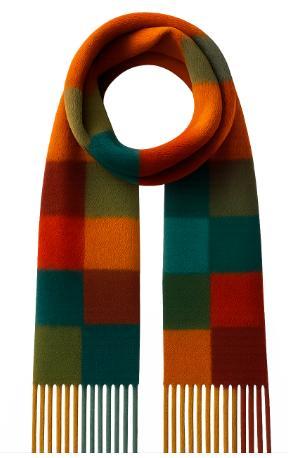 TU-SFWS-AW270715 · Checked scarf conceptCatalogue development proposal for a checked scarf. Not confirmed stock or an approved production specification. Referenced in the TUACC knowledge base; catalogue version and any associated images require confirmation.
 TU-HTWS-AW270702 · Rib-knit beanie conceptClassic adult rib-knit beanie development reference with a proposed 6 cm cuff and woven label. Yarn, dimensions and stretch are to be confirmed on the sample.
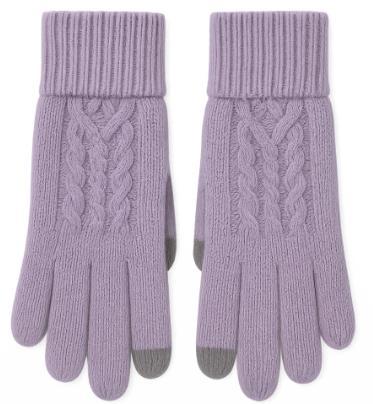 TU-GLWS-AW270709 · Cable-knit glove conceptCatalogue development proposal for an adult cable-knit glove. Not confirmed stock or an approved production specification. Referenced in the TUACC knowledge base; catalogue version and any associated images require confirmation.
Related buyer solutions and topics
Accessory Sourcing for Importers and DistributorsRelated product categories
Scarves and shawlsHats and headwearGlovesReview your project
Share your product, market and requirements to discuss the next step.
Discuss your project →