Sampling and production timing depends on the product, material availability, revision rounds, approvals and production schedule. Build a plan around decision points and required evidence. Separate sample completion, production completion, shipment handover and arrival at the buyer’s receiving location.
1. Establish the brief and open decisions
Identify the product, market, wearer, quantities, material direction, measurements, colour, artwork and packing. List missing information and name the person who can approve it. Request a sample plan that states its purpose and what it will demonstrate.
2. Review the quotation before sample work
Confirm the development scope, sample type, charges, number of planned pieces and any exclusions. A stock reference, material swatch and custom development sample serve different purposes. Record which aspects of the final product are represented.
3. Consolidate sample comments
Give each sample and revision a clear identifier. Combine measurements, colour, fit, finish and artwork comments into one list. Separate required corrections from optional changes. Check whether any change affects cost, materials, minimums or timing.
4. Identify the production reference
Before release, agree the reference product, specification version, approved colour standard, label files and pack instructions. Record accepted exceptions explicitly. An approval for one issue or one lot should not silently become a permanent change to the standard.
5. Agree production and quality checkpoints
Define the checks required for the product and the party responsible for each. Specify the records to be shared, how findings are reviewed and who authorises corrective work or release. Laboratory testing and independent inspection need an agreed scope when required.
6. Confirm the handover
Check the approved product identity, quantities, packaging, carton marks and agreed documents before the planned handover. Keep the distinction between goods ready, goods handed over and goods received. Update the plan when approvals or inputs change.
Buying questions
How long does private label sampling and production take?
Request a project schedule after the specification and material route are reviewed. It should state assumptions, buyer approval dates and the event that starts each timing estimate.
Does approving a colour photo approve the whole product?
Only if the approval explicitly says so. Record which attribute and sample version the decision covers. Screen images alone should not be treated as a physical colour standard.
Can production begin before all packaging is approved?
That is a project decision that may create rework or timing exposure. Identify the incomplete elements and obtain the relevant approvals before committing to dependent work.
Is third-party inspection included automatically?
No. The quotation and agreed quality plan must state the inspection provider, scope, timing, acceptance criteria and charges when applicable.
Related products
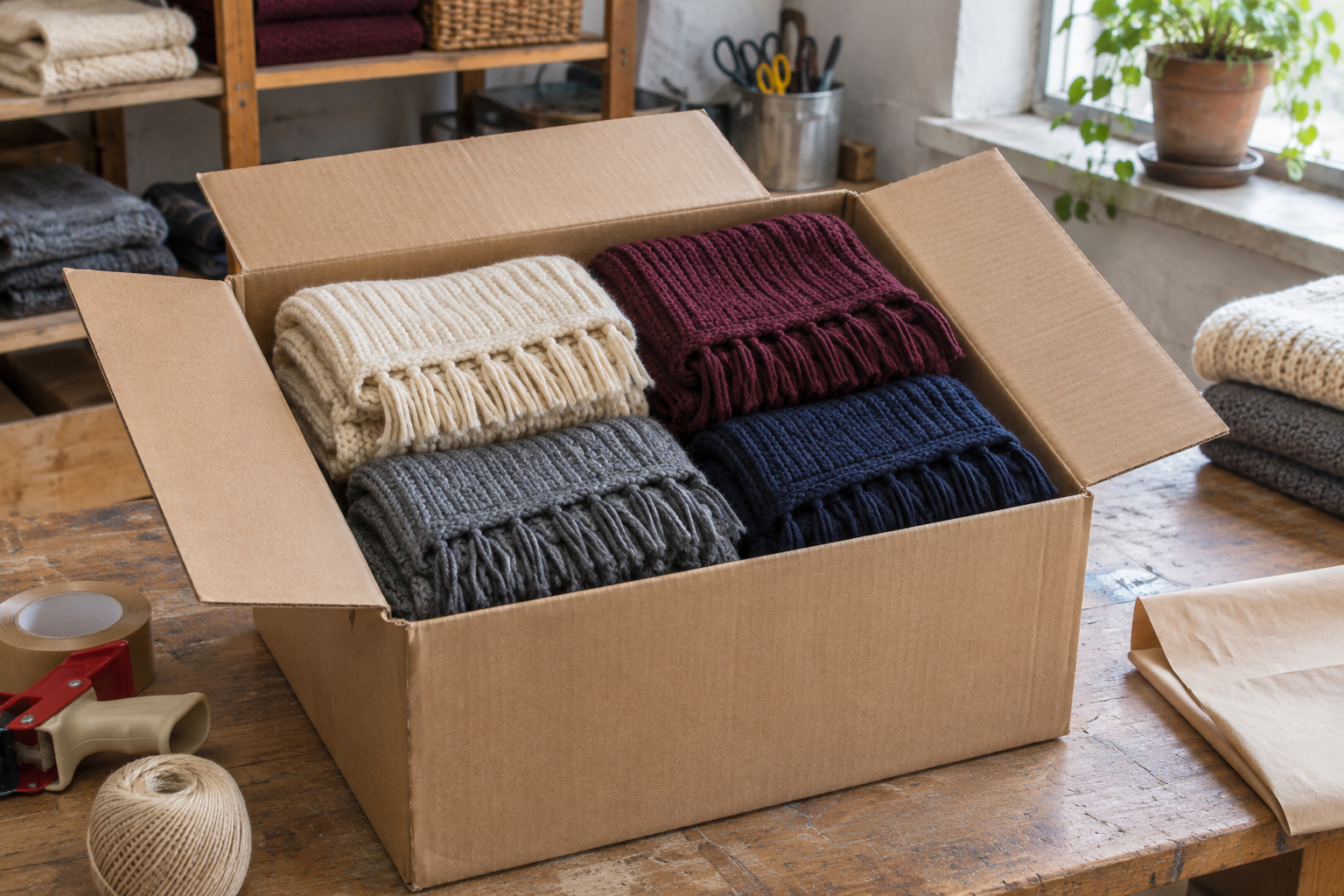
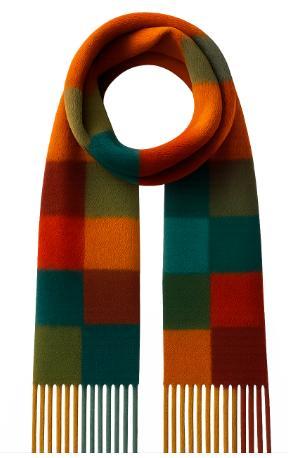 TU-SFWS-AW270715 · Checked scarf conceptCatalogue development proposal for a checked scarf. Not confirmed stock or an approved production specification. Referenced in the TUACC knowledge base; catalogue version and any associated images require confirmation.
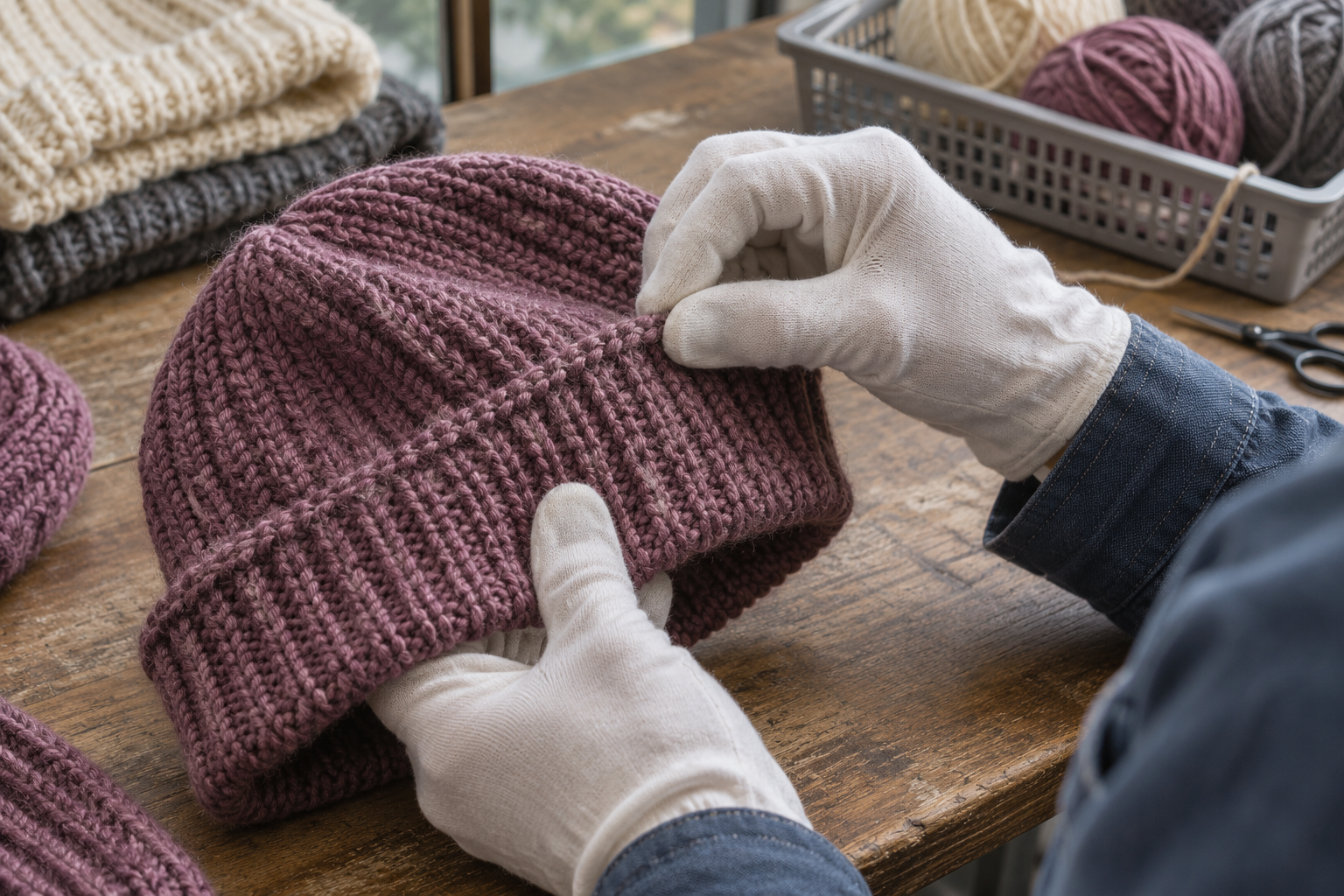
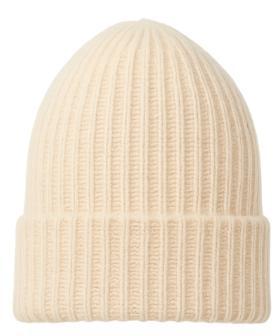 TU-HTWS-AW270702 · Rib-knit beanie conceptClassic adult rib-knit beanie development reference with a proposed 6 cm cuff and woven label. Yarn, dimensions and stretch are to be confirmed on the sample.
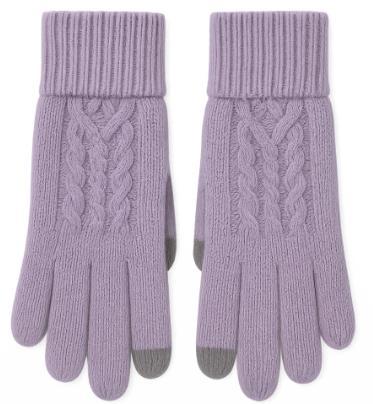 TU-GLWS-AW270709 · Cable-knit glove conceptCatalogue development proposal for an adult cable-knit glove. Not confirmed stock or an approved production specification. Referenced in the TUACC knowledge base; catalogue version and any associated images require confirmation.
Related buyer solutions and topics
Private Label Accessories for Fashion BrandsRelated product categories
Hats and headwearReview your project
Share your product, market and requirements to discuss the next step.
Discuss your project →